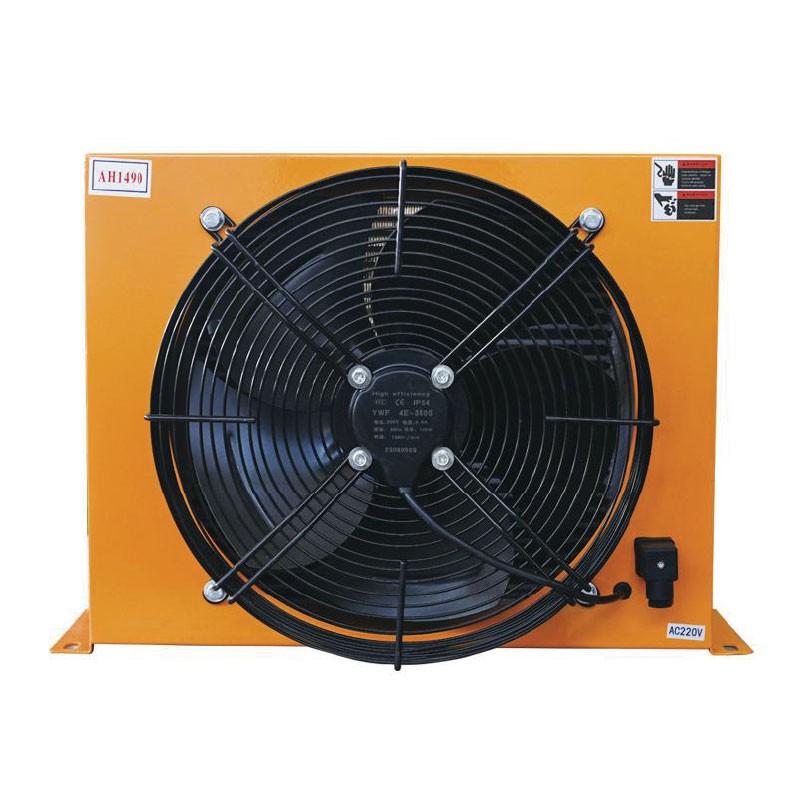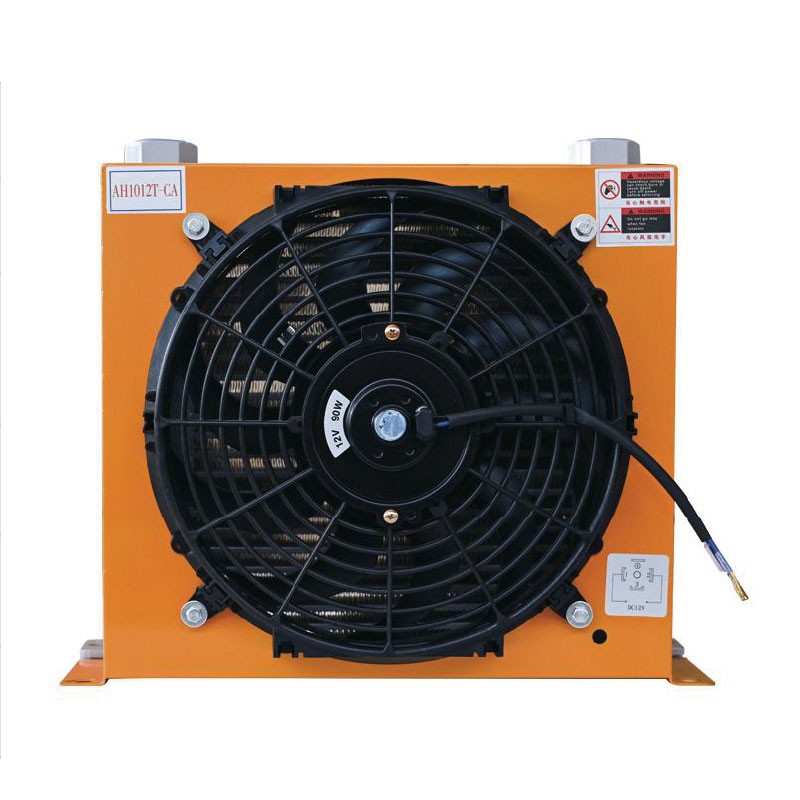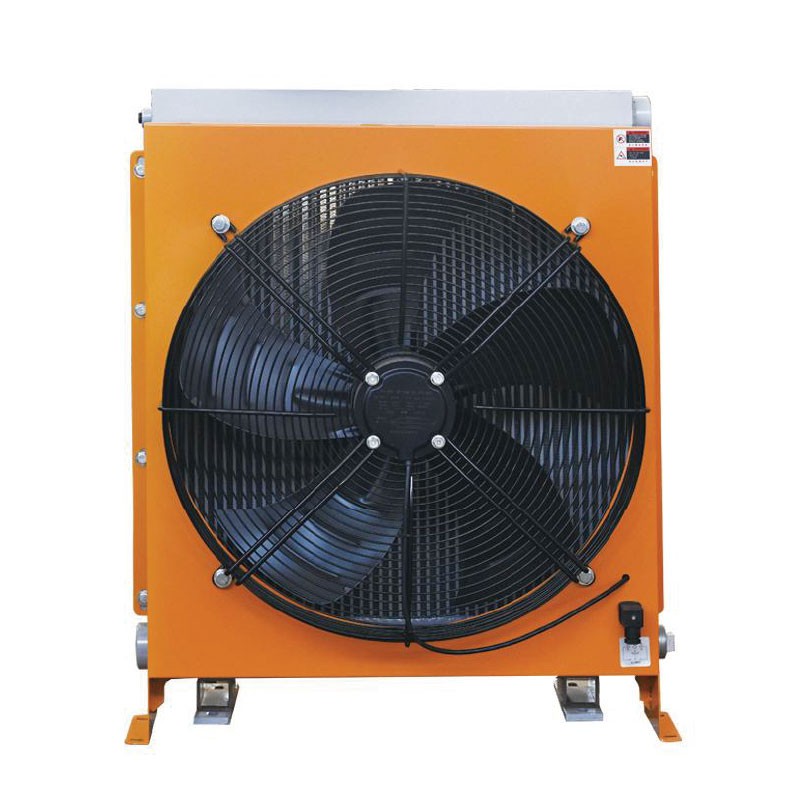
Selecting a suitable hydraulic oil air cooler is only the first step to ensure heat dissipation of your equipment. Non standard installation operations are very likely to cause problems such as poor heat dissipation, fluid leakage and premature damage of components. Below we have sorted out the critical installation guidelines for air coolers.
1. Optimize the Layout of the Oil suction Pipeline
Control the total length of the hydraulic system’s oil suction pipeline and reduce pipe elbows as much as possible to guarantee smooth fluid flow.
The diameter of the oil suction pipeline shall match the flow rate requirement of the oil pump. Do not reduce the port diameter without authorization. If site constraints make it impossible to meet pipeline requirements, a separate mounting solution for the oil pump and hydraulic oil air cooler can be adopted.
2. Ensure Adequate Ventilation
Install the hydraulic oil air cooler in a well ventilated area. Keep the air inlet side of the fins free from obstructions. Reserve sufficient ventilation space to prevent hot air recirculation and avoid deterioration of cooling performance.
3. Verify Rotation Direction; Reverse Operation Is Forbidden
Check the rotation direction of the fan and oil pump motor before startup, and cross reference with the rotation mark printed on the unit. Reverse rotation of fan blades or the motor will result in insufficient air volume and greatly reduced cooling efficiency.
4. Select Pipeline Filters According to Actual Needs
If a filter is to be fitted on the oil suction line, its specification must satisfy the system flow demand to avoid excessive flow resistance which would hinder oil circuit circulation.
5. Secure Pipeline Sealing to Prevent Air intake Cavitation
Ensure all pipes and joints are tightly sealed. Air leakage in pipelines causes air intake (cavitation), which leads to cavitation erosion, vibration and noise, and will continuously damage the hydraulic oil cooler and hydraulic components.
6. Reserve Space for Future Maintenance
When determining the installation position, do not only pursue a compact layout. Leave enough working space for fin cleaning and pipeline inspection. After long term operation, oil contamination and dust will accumulate on the fins; accessible space facilitates regular maintenance work.
This paper addresses:https://www.lianshengcooler.com/technical/Six-Key-Installation-Precautions-for-Hydraulic-Oil-Air-Coolers.html